
Investing in a concrete batching plant is a major decision for any construction or infrastructure contractor. The price of a concrete batching plant can vary widely depending on factors such as capacity, configuration, location, and supplier. Understanding these factors is essential for contractors seeking to optimize both cost and operational efficiency. Insights from industry experts and contractors reveal how price ranges differ across regions and what to consider when making this investment.
Typical Price Ranges for Contractors
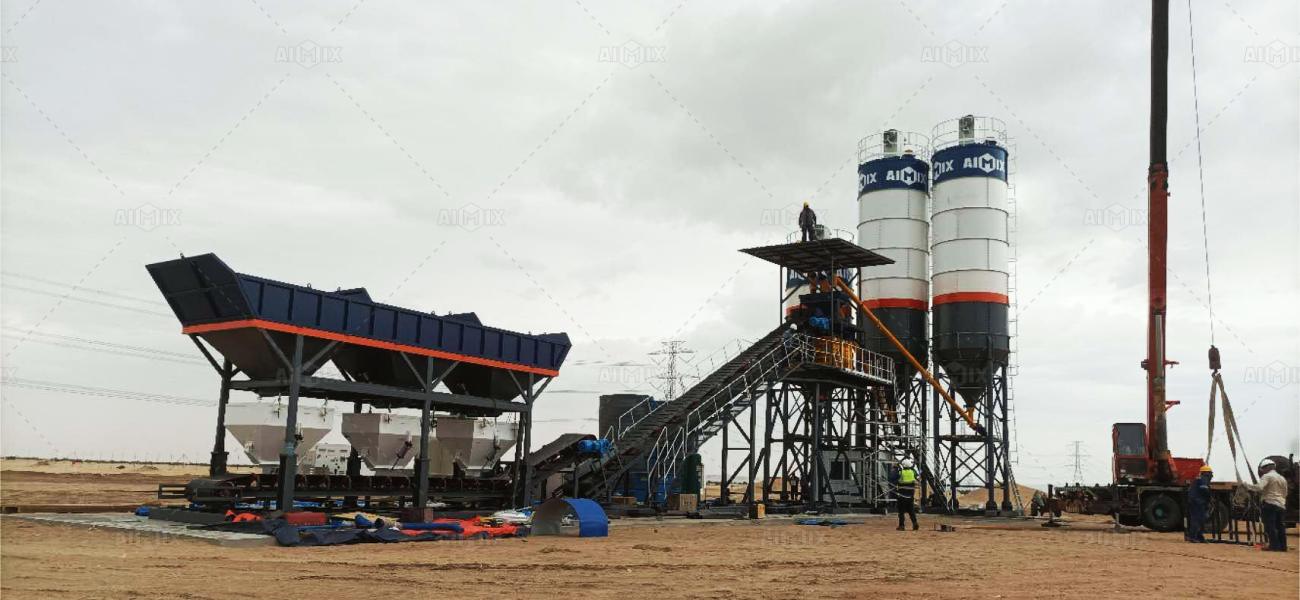
Concrete batching plants are available in different sizes and capacities, which directly influence pricing. Small-scale plants, typically producing 25–50 m³ per hour, are often the most affordable, while medium and large-scale plants, producing 60–120 m³ per hour or more, can cost significantly higher. Large, fully automated plants designed for industrial-scale production may reach even higher price ranges.
For contractors in different regions, the local market conditions can also affect plant costs. For example, a batching plant price Philippines varies depending on capacity, features, and delivery requirements. Small mobile plants may be more affordable, while large stationary plants with advanced automation can be a significant investment.
Similarly, in Pakistan, the concrete batching plant price in Pakistan is influenced by plant type, capacity, and whether the plant is imported or locally manufactured.
Factors Influencing the Price
Several factors determine the cost of a concrete batching plant:
-
Production Capacity: Plants with higher hourly output require larger mixers, more robust motors, and additional silos, increasing the overall price.
-
Automation Level: Fully automated plants with electronic batching, control systems, and monitoring features cost more than manual or semi-automatic plants but offer greater precision and efficiency.
-
Type of Plant: Stationary plants usually require permanent foundations and infrastructure, making them more expensive, whereas mobile or modular plants are easier to relocate and often more cost-effective.
-
Regional Costs: Local regulations, import duties, and shipping costs can significantly affect the final price, particularly in markets such as the Philippines or Pakistan.
-
Installation and Infrastructure: Site preparation, foundations, power supply, and aggregate storage add to the total investment beyond the equipment price.
-
Maintenance and Support: The availability of spare parts, technical support, and service packages from concrete batch plant manufacturers can influence the total cost of ownership.
Regional Market Insights
Batching Plant Price Philippines
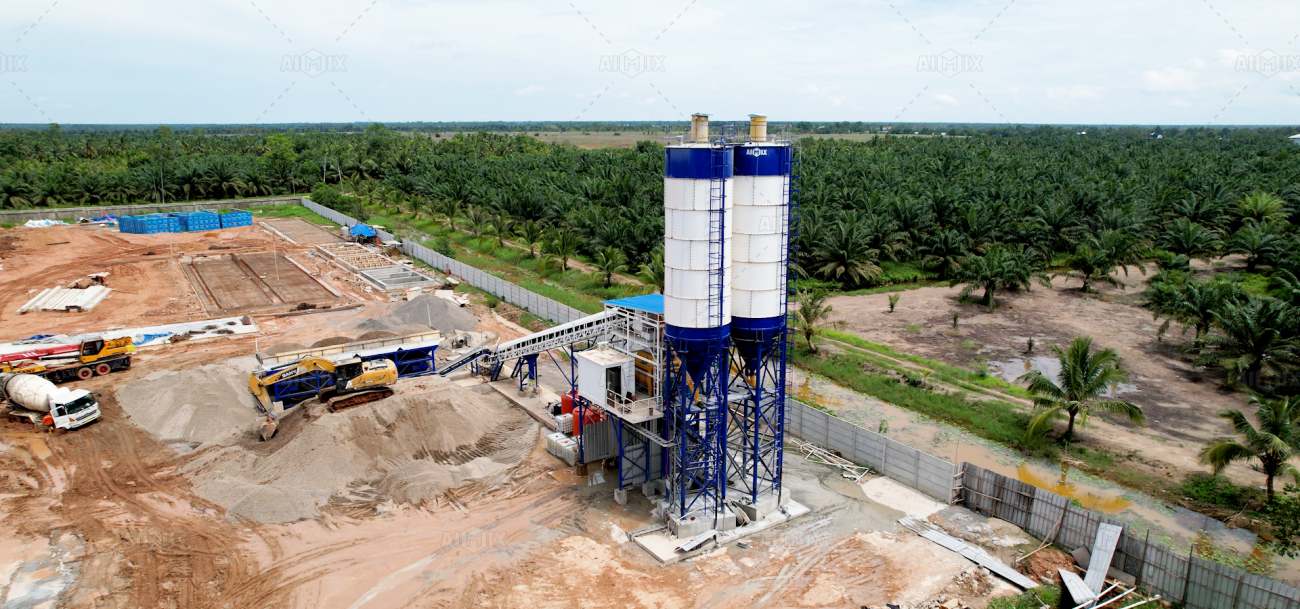
In the Philippines, contractors face pricing influenced by local import regulations, shipping costs, and site-specific installation requirements. Small mobile plants may be affordable for smaller contractors, while larger stationary plants for industrial or commercial projects can be significantly more expensive. Choosing the right plant requires balancing capacity needs with budget constraints.
Concrete Batching Plant Price in Pakistan
Pakistan’s market reflects a similar trend. Small-scale plants are accessible to local contractors and small businesses, whereas high-capacity automated plants are a larger investment. Contractors must weigh initial purchase cost against long-term operational efficiency, maintenance, and regulatory compliance.
Choosing the Right Manufacturer
Selecting a reliable concrete batch plant manufacturer is crucial for long-term success. Experienced manufacturers provide customization options, such as plant capacity, mixer type, and automation level, ensuring the equipment meets project-specific requirements. They also provide installation support, commissioning, training, and after-sales service, which reduces downtime and enhances productivity.
Working with a reputable manufacturer helps contractors avoid common pitfalls such as hidden costs, substandard components, or inadequate support. It also ensures that the plant meets local construction standards and environmental regulations, which is particularly important in regions with strict compliance requirements.
Practical Advice for Contractors
Contractors considering a concrete batching plant should follow a few key strategies:
-
Assess Actual Concrete Demand: Choose a plant size that matches daily production needs to avoid underutilization or over-investment.
-
Consider Automation Needs: Automated plants may cost more upfront but provide consistent quality and higher productivity.
-
Include All Costs: Account for installation, site preparation, infrastructure, shipping, labor, and maintenance when evaluating plant price.
-
Check Regulatory Compliance: Ensure the plant complies with local environmental and construction regulations.
-
Partner with Reliable Manufacturers: Reliable suppliers offer quality equipment, support, and spare parts, reducing long-term risks.
Conclusion
The price of a concrete batching plant is influenced by capacity, automation, type, regional factors, and the choice of manufacturer. For contractors in regions like the Philippines or Pakistan, understanding local market dynamics is essential to make an informed investment. Selecting the right concrete batch plant manufacturer ensures that the plant delivers reliable, efficient, and compliant concrete production, providing a long-term return on investment.
By carefully considering these factors, contractors can balance cost and performance, achieve consistent concrete quality, and meet project timelines efficiently. A well-chosen concrete batching plant is more than a purchase — it is a critical asset for successful construction operations.