
To achieve consistent and high-standard asphalt production, buyers must center decisions on the technical specification, quality control systems, and service commitments provided by asphalt batching plants manufacturers. Evaluating metering accuracy, control software, material handling, and spare-parts support reveals how reliably a plant will meet mix targets. This article guides procurement logic so buyers can compare suppliers—including Macroad—on measurable factors that predict stable production and minimize variability during operation.
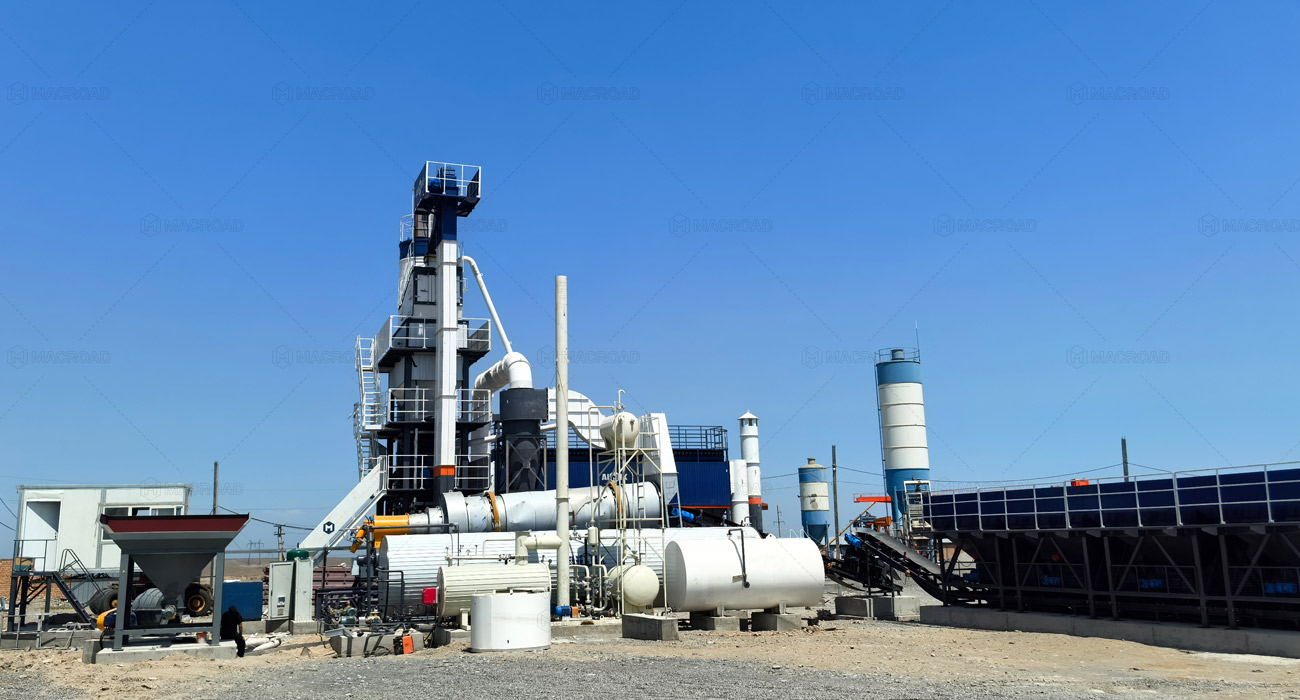
Prioritize metering accuracy and control systems
First, scrutinize the weighing and dosing subsystems specified by asphalt batching plants manufacturers. Accurate aggregate and bitumen metering reduces batch-to-batch variability; look for load cells and flow meters with traceable calibration records. Ask suppliers for documentation showing achieved dosing tolerances under load—this directly predicts whether asphalt production will consistently meet gradation and binder ratios.
Second, evaluate the control software and recipe management. A robust control system that logs batch parameters, allows recipe locking, and supports remote diagnostics reduces operator error and enables repeatable mixes. Request sample log exports or demonstrations from manufacturers to confirm the system captures critical variables needed for quality control during asphalt production.
Third, check the integration of sensors and redundancy. Redundant temperature probes, level sensors, and backup feeders lower the risk of undetected drift. When comparing offers—Macroad and others—place higher value on asphalt batching plants that provide modular sensor replacement and clear calibration intervals, as these features preserve long-term mixing consistency.
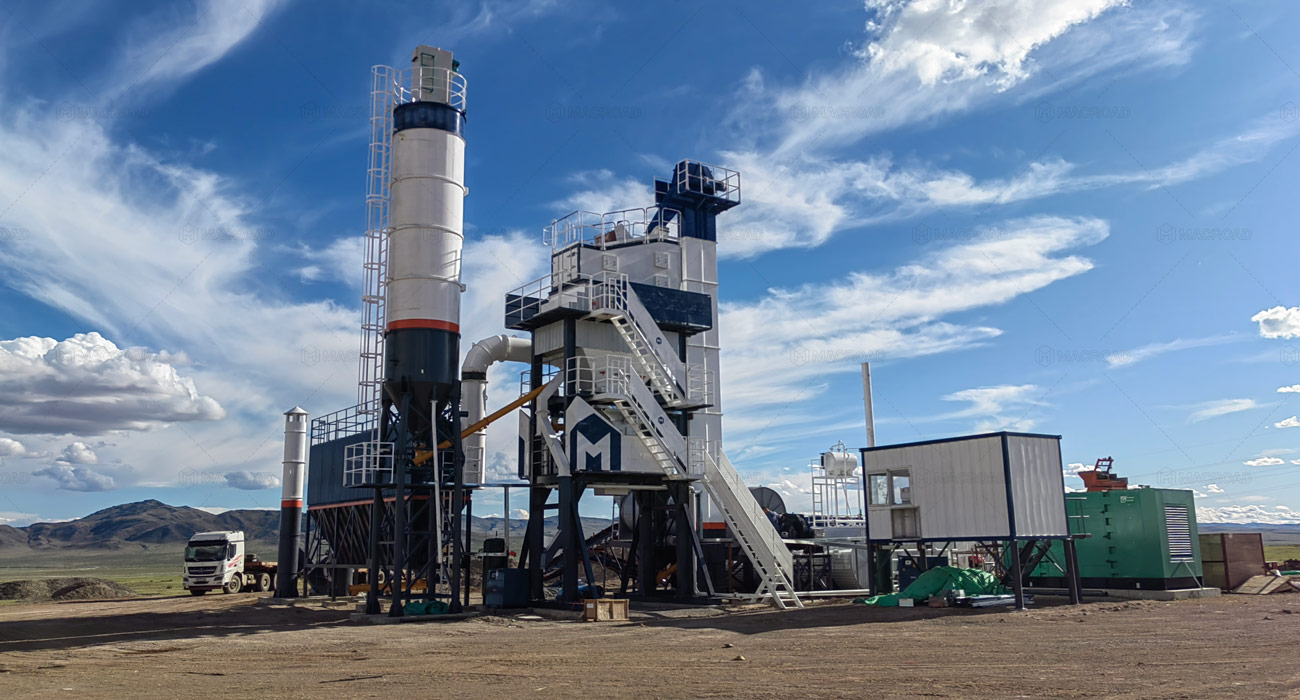
Assess material handling and thermal management
Material flow consistency is the next decisive factor for consistent asphalt production. Inspect the design of cold feed bins, conveyors, and screening decks supplied by asphalt mixing plant manufacturers. Uniform feed rates and anti-segregation measures—baffle designs, controlled vibrator systems—maintain aggregate gradation between batches. Request evidence of tested feed-rate stability under different aggregate moisture and size distributions.
Thermal management of the drying and mixing sections is equally important. Efficient burners with stable flame control and well-designed insulation reduce temperature swings that affect binder viscosity and coating. Compare thermal profiles and heat-loss mitigation offered by suppliers; plants that stabilize mix temperature shorten warm-up cycles and improve first-batch conformity.
Also consider dust collection and material return systems. Proper dust handling minimizes fines loss and recirculation consistency, directly influencing mix gradation. Suppliers should provide dust return routing that preserves particle-size distribution; ask for diagrams and performance data from asphalt production trials.
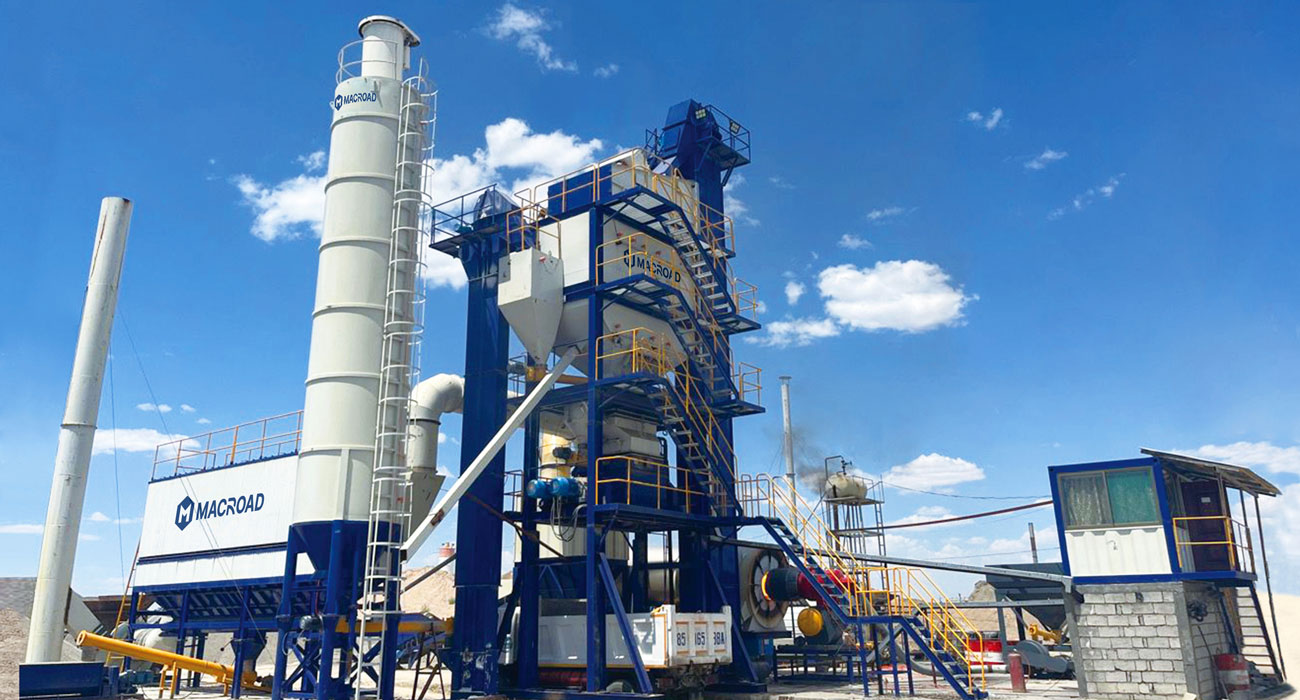
Verify service, spare-parts and training provisions
A plant’s delivered capability depends on ongoing support from asphalt batching plants manufacturers. Prioritize suppliers that supply initial spare-parts kits, clear parts lists with codes, and regional logistics for fast replenishment. When critical wearing parts can be sourced quickly, production interruptions that degrade consistency are less likely.
Training and commissioning are essential. Ensure the manufacturer—Macroad or others—includes hands-on commissioning and operator training that covers calibration, routine checks, and corrective actions when batch deviations occur. Training records and operator manuals reduce human error, a major source of variability in asphalt production.
Finally, insist on documented warranties and service-level agreements that specify response times for downtime events. Suppliers who commit to measurable support parameters help maintain continuous, high-standard production by minimizing unresolved faults that can cascade into quality failures.
Conclusion
Buyers aiming for consistent, high-standard asphalt production should evaluate asphalt batching plants manufacturers on metering accuracy, control systems, material handling and thermal stability, plus spare-parts and training support. Comparing demonstrable performance data and support commitments from asphalt plant manufacturers—including Macroad—enables procurement decisions that convert purchase price into reliable production outcomes.