
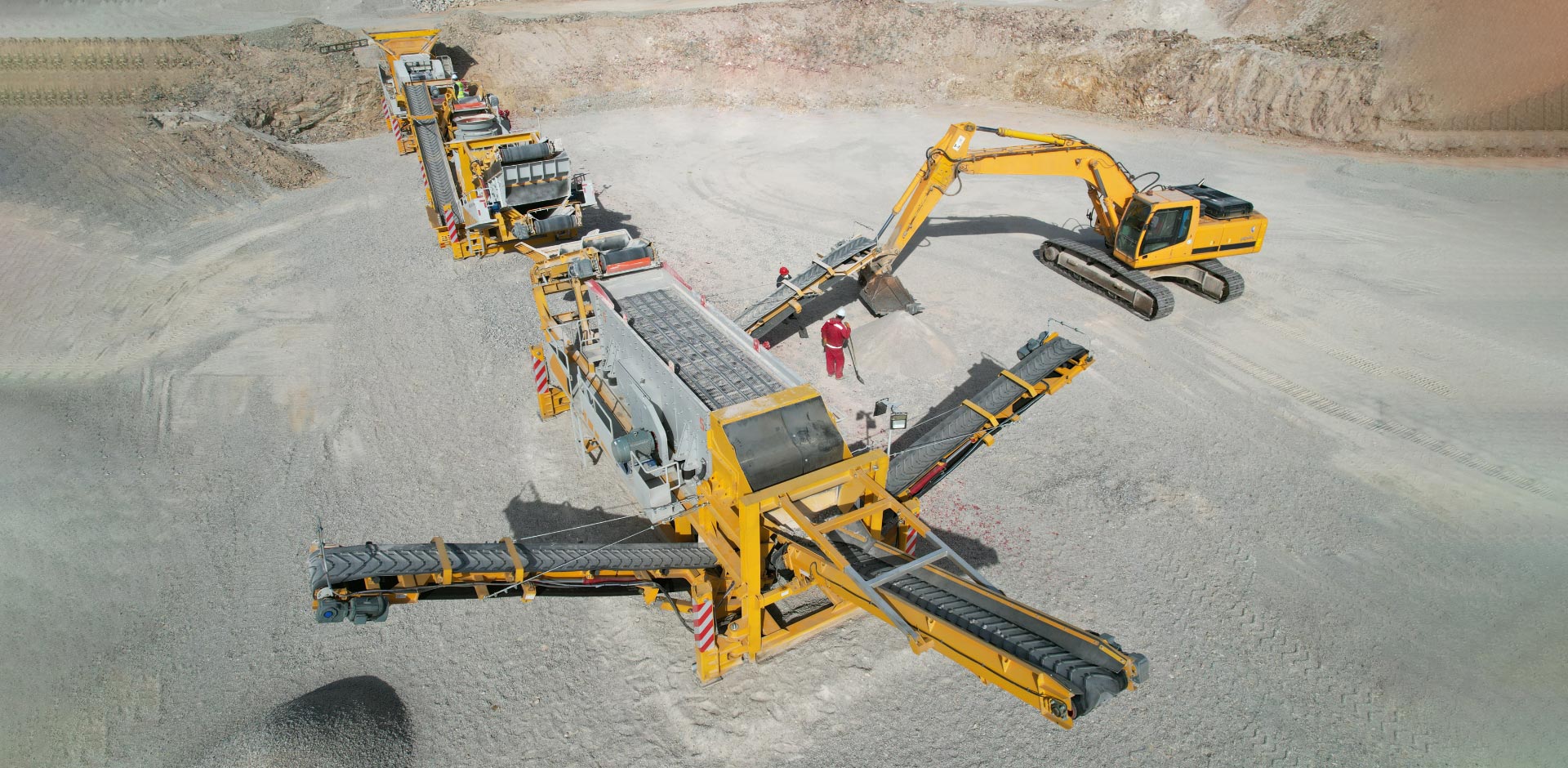
Granite stands as a premier construction aggregate due to its exceptional hardness, density, and mechanical integrity. However, these very properties that make it desirable also present a formidable challenge in comminution. Transforming raw granite bedrock into a consistent, specification-grade aggregate requires a deliberate and technically informed methodology. Haphazard crushing yields inconsistent, poorly shaped material with excessive fines, undermining the structural performance and economic value of the final product. Achieving the desired particle size demands a systemic approach that honors the material’s geology while rigorously applying mechanical principles across the entire crushing circuit. This process extends from initial geotechnical assessment to final quality control, with each stage designed to impose a specific and controlled fracture pattern on the stone.
The Granite Challenge: Understanding Feed Material and Project Specifications
Effective processing begins long before material enters the granite crusher feed hopper. Granite is not a monolithic substance; its composition can vary significantly between and even within quarries. Key variables include the specific mineralogy (the ratio of quartz, feldspar, and mica), the presence of fissures or natural cleavage planes, and the abrasive index. A thorough pre-crushing analysis, involving geological surveys and laboratory testing of samples, is non-negotiable. This analysis defines the material’s crushability and wear potential on equipment.
Concurrently, the end-product parameters must be crystallized with absolute clarity. Construction specifications are precise. A highway base layer requires a well-graded aggregate with excellent interlock, often following a specific gradation band like AASHTO #57 or #67. Concrete aggregate demands cubical particles with limited flakiness to ensure workability and strength. Asphalt mix designs need a tightly controlled blend of coarse and fine aggregates with specific surface area characteristics. The crushing strategy for producing a 3/4-inch minus road base is fundamentally different from that for manufacturing concrete sand. The desired particle size distribution is the unwavering target that dictates every subsequent equipment selection and operational parameter.
Primary Reduction: Selecting and Configuring the First Break
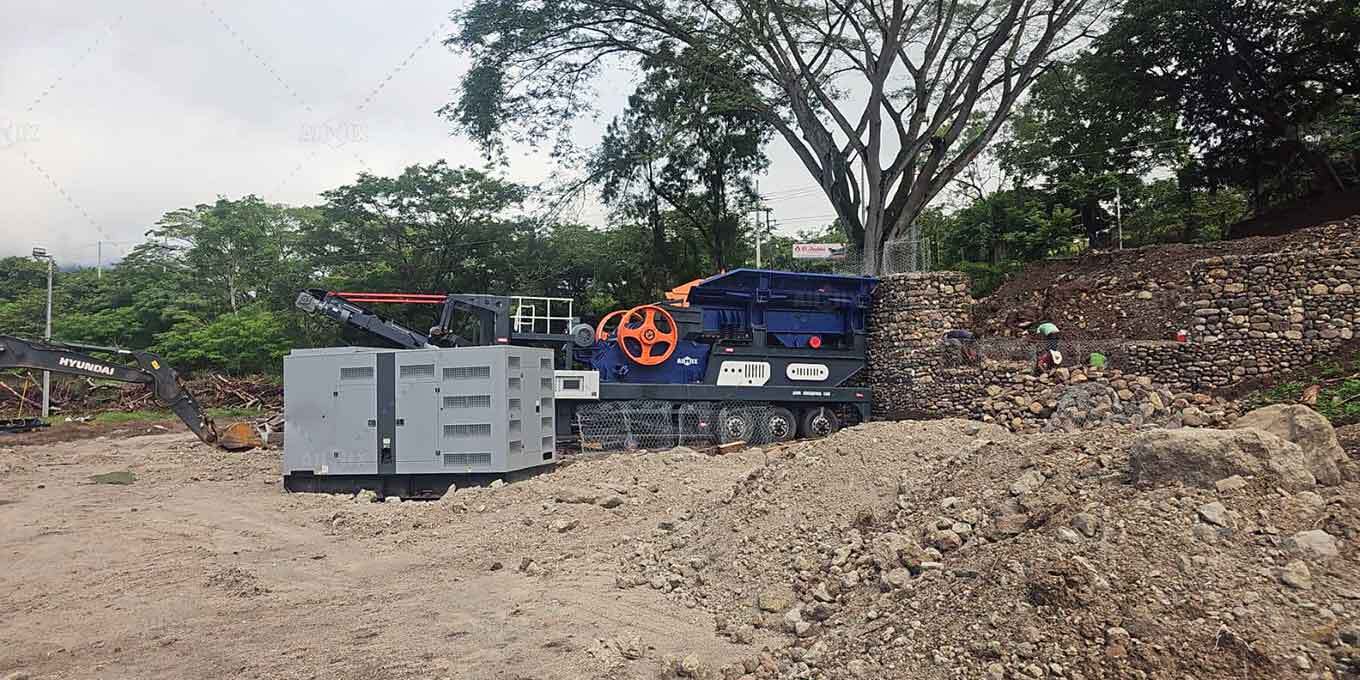
The primary crusher shoulders the greatest burden, accepting blasted run-of-quarry rock often exceeding 24 inches in diameter. For granite, a robust jaw crusher or a large primary gyratory crusher is the standard choice. The configuration of this first stage sets the trajectory for the entire plant’s performance. In a jaw crusher mobile, two critical settings govern the outcome: the gape (the open side) and the Closed Side Setting (CSS). The CSS determines the largest particle size exiting the chamber. Setting it correctly is a balance; too tight a setting unnecessarily restricts throughput and accelerates wear, while too wide a setting passes oversized material that overloads downstream equipment.
Feeding the primary crusher efficiently is an art in itself. A vibrating grizzly feeder performs a dual function. It meters a consistent flow of material to the crusher, preventing flood-feeding and shock loads. Simultaneously, its grizzly bars allow natural fines and smaller fragments to bypass the crusher entirely, being diverted directly to a later stage in the process. This scalping action significantly increases the effective capacity of the primary crusher by ensuring it only processes material that genuinely requires its massive breaking force. This simple step is a profound efficiency multiplier.
Secondary and Tertiary Processing: Shaping the Aggregate
Material discharged from the primary crusher, now typically reduced to 6-inch minus, proceeds to secondary reduction. Here, the goal shifts from coarse breakage to refinement and shaping. Cone crushers are the dominant technology for this stage in granite processing. Their conically shaped mantle oscillates within a concave bowl, applying compressive force. The selection of the crushing chamber—standard, short-head, or fine—is paramount. A standard chamber prioritizes capacity for producing base materials, while a short-head chamber is engineered for generating finer products and improved particle shape for concrete aggregates.
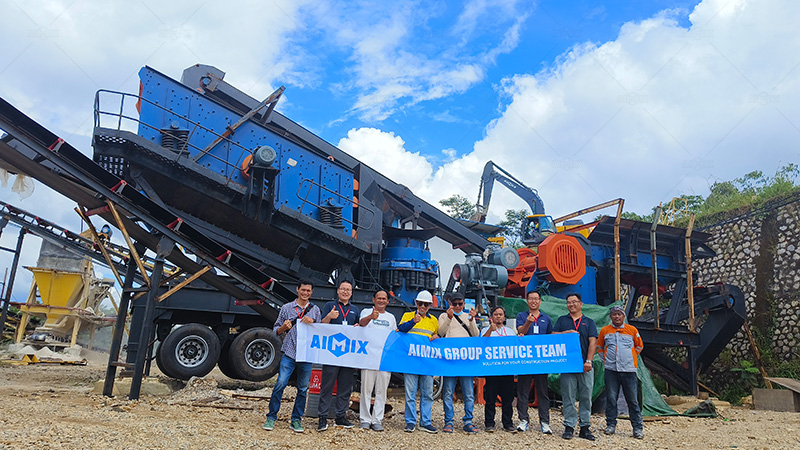
For applications where superior particle shape is critical, a tertiary stage may employ a Vertical Shaft Impactor (VSI) sand making machine. This machine uses a high-speed rotor to fling stone against anvils or a crushing chamber wall, fracturing it along its natural cleavage planes. This process, known as autogenous crushing, produces highly cubical particles with excellent fracture faces. The trade-off is increased fines generation and higher wear cost on the rotor and anvils compared to a cone crusher. The decision to use a VSI is a strategic one, justified only when the product specification commands a premium price that outweighs its operational expenses.
The Screening and Classification Circuit: Precision in Gradation
Crushing alone does not create a graded product; screening does. The screening plant is the classifier that sorts the mixed-sized output from the crushers into the final product fractions. Multiple-deck vibrating screens, equipped with precisely sized wire mesh or rubber panels, are the standard. Each deck separates a specific size range, sending oversize material back to the appropriate crusher (the recirculating load) and allowing correctly sized material to pass through to its designated product conveyor.
Managing the recirculating load is a key process variable. An excessively high load indicates an imbalance—perhaps a crusher setting is incorrect, or a screen deck is blinded or damaged. This inefficiency wastes energy and increases wear. For high-specification products like concrete sand, a washing and beneficiation stage is often integrated. Sand screws or hydrocyclones remove deleterious clay, silt, and dust, producing a clean, high-quality material that meets strict ASTM or EN standards for deleterious content. This washing step adds cost and complexity but is essential for accessing premium markets.
Operational Vigilance: Monitoring, Maintenance, and Quality Assurance
A well-designed plant is only as good as its operational stewardship. This requires a regime of constant monitoring and data-informed adjustment. Aggregate crusher power draw, chamber pressure (for cone crushers), and product belt scales provide real-time performance data. A sudden drop in throughput at constant power can signal liner wear or a change in feed material characteristics. Operators must be trained to interpret these signals and make precise adjustments to CSS or feeder rates in response.
Wear-part management is both a cost center and a reliability imperative. In granite crushing, manganese steel liners in jaws and cones wear continuously. Tracking wear rates by measuring liner thickness against tons produced allows for predictive replacement, scheduling changes during planned maintenance windows rather than during catastrophic failure. Finally, a rigorous quality assurance protocol closes the loop. Regular sampling of final stockpiles for sieve analysis ensures the product consistently meets the target gradation. Particle shape index tests can quantify the percentage of flaky or elongated particles. This empirical feedback is used to fine-tune crusher settings and screen configurations, creating a closed-loop system of continuous improvement. The entire operation becomes a calibrated instrument, methodically transforming intractable granite into a predictable, high-value construction material.