
Latin America is characterized by vast climatic diversity, yet a large portion of its infrastructure projects are located in hot and humid environments. From coastal regions of Peru to tropical areas of Central America, asphalt producers must operate under conditions that place extreme stress on production stability. For any asphalt plant, these conditions significantly affect moisture control, heat exchange efficiency, electronic reliability, and material dosing precision. Whether the project is supplied by a large stationary system or a compact portable asphalt plant(planta de asfalto), the ability to deliver consistent mix quality has become a decisive factor in long-term competitiveness.
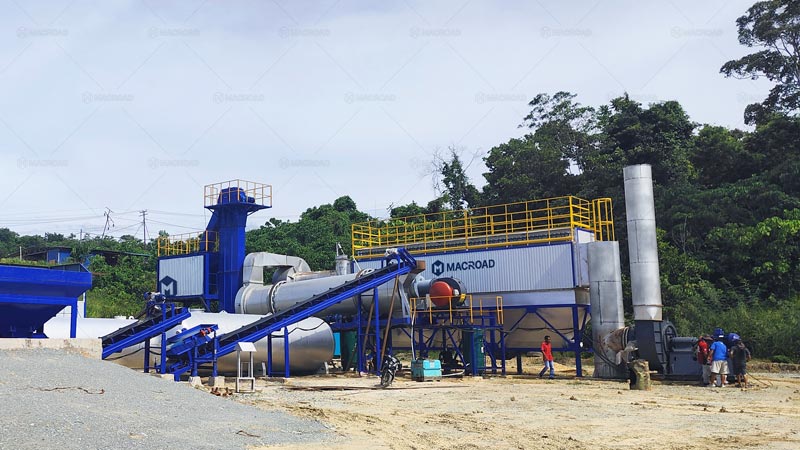
How Climate Conditions Undermine Mixing Accuracy
Unstable Aggregate Moisture Levels
Aggregates stored outdoors are exposed to rain, condensation, and high ambient humidity. Even when rainfall is limited, fine particles absorb moisture overnight, leading to hidden variations that cannot be detected visually. When aggregates enter the drying drum with higher-than-expected moisture, the asphalt plant must extend drying time or increase burner intensity, both of which disturb the designed production rhythm and cause fluctuations in mix temperature.
Thermal Stress on Asphalt Binder
In consistently hot climates, asphalt binder is subjected to accelerated aging. Storage tanks operate closer to their thermal limits, and pipelines become vulnerable to oxidation and viscosity changes. In large-scale highway programs, such as those supporting economic corridors and urban bypasses, asphalt plant in Peru(planta de asfalto en Perú) installations frequently run at high load for extended periods, increasing the risk of binder degradation if thermal control is not optimized.
Electronic and Sensor Degradation
Moisture penetration into electrical cabinets and junction boxes causes corrosion and short circuits over time. Load cells and temperature sensors slowly drift from their original calibration, reducing the precision of weighing and temperature feedback loops. These hidden faults often lead to quality complaints that are mistakenly attributed to raw materials rather than system accuracy.
Engineering Measures to Improve Mixing Accuracy
Continuous Moisture Monitoring Systems
Installing online moisture sensors inside cold aggregate bins enables real-time correction of material water content. The control system recalculates binder dosage and drying temperature automatically, ensuring that moisture variation does not translate into mix inconsistency. This technology is particularly valuable for mobile contractors relying on a portable asphalt plant in remote or mountainous regions.
Optimized Drying Drum Structure
Improved drum flight geometry ensures more uniform aggregate lifting and exposure to hot gas streams. By increasing thermal exchange efficiency, the asphalt plant achieves consistent discharge temperatures while reducing fuel consumption. Drum retrofits are often more cost-effective than full system replacement when upgrading legacy plants.
High-Precision Weighing Technology
Modern digital load cells with temperature compensation maintain stable measurement accuracy under extreme environmental stress. For buyers evaluating asphalt plant price(planta de asfalto precio), it is essential to consider the long-term performance of weighing systems rather than focusing solely on rated capacity or production speed.
Intelligent Control Systems for Tropical Environments
Adaptive Burner Control Algorithms
Advanced PLC platforms can integrate ambient temperature, humidity, and aggregate moisture data into the burner management logic. This adaptive control ensures the correct balance between drying efficiency and binder protection, reducing unnecessary fuel use while maintaining consistent output quality.
Automated Calibration and Diagnostics
Self-diagnostic software monitors system behavior and identifies abnormal trends in weight signals, temperature curves, and production cycles. Early detection prevents minor deviations from escalating into full-scale quality failures, minimizing downtime and material loss.
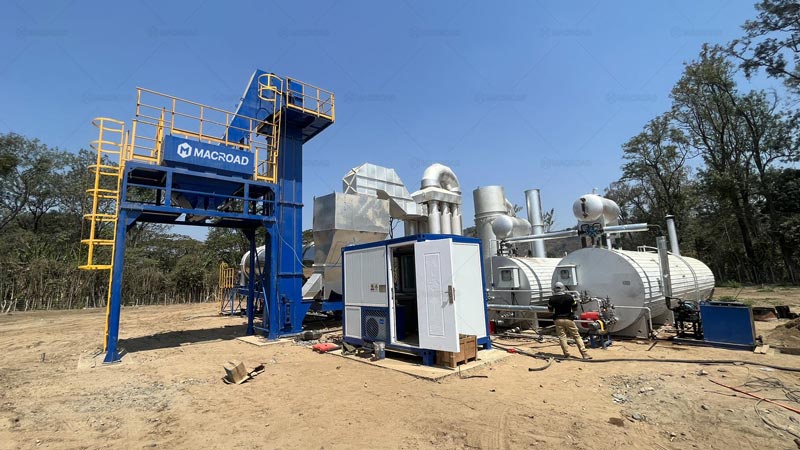
Operational Practices That Support Accuracy
Aggregate Yard Engineering
Covered stockpiles, drainage channels, and raised platforms reduce moisture variability at the source. Even basic shelter structures can significantly improve production stability and reduce the corrective workload imposed on the asphalt plant and portable asphalt plant(planta de asfalto portátil) control system.
Enhanced Maintenance Regimes
In high-humidity environments, maintenance intervals must be shortened. Load cell connectors, moisture probes, and burner components require more frequent inspection and cleaning to ensure that corrosion and dust do not compromise measurement accuracy.
Localization of Mix Design
Local quarries often supply aggregates with varying mineral composition and clay content. Adjusting mix formulas to reflect these characteristics is critical for maintaining consistent pavement performance, particularly in large infrastructure projects across Latin America.
Financial Impact of Accurate Mixing
Precise control reduces asphalt binder overuse, shortens production cycles, and minimizes rejected batches. Over a full construction season, a well-optimized asphalt plant can reduce operating costs by up to 15 percent, significantly offsetting initial equipment investment.
For contractors operating an asphalt plant in Peru or similar markets, accuracy directly translates into improved pavement durability, fewer warranty claims, and stronger relationships with government and EPC clients. In such competitive environments, the ability to demonstrate consistent quality often outweighs price competition.
Conclusion
Mixing accuracy is the cornerstone of successful asphalt production in hot and humid Latin America. By combining advanced sensing technology, intelligent control systems, optimized mechanical design, and disciplined operational management, producers can transform environmental challenges into operational advantages. Whether running a large stationary installation or a flexible portable asphalt plant, investing in accuracy today ensures sustainable profitability and long-term market leadership.