
If you’re in the construction business in Saudi Arabia, you’ve felt the pace. It’s not just busy; it’s a whole different kind of momentum, driven by Vision 2030’s sprawling ambition. And right in the thick of it, you’ve got cement mixer pumps—those versatile machines that mix and place concrete in one go—becoming an increasingly common sight on sites big and small. But have you checked a concrete mixer with pump price quote lately? It might have given you pause. The numbers aren’t static; they’re being pulled and shaped by powerful, invisible forces. It’s not just about what the machine is, but where and when you’re buying it. To really understand what you’re paying for, we need to unpack a few key market trends that are actively rewriting the pricing playbook.
The Demand Surge: More Than Just Volume
Let’s start with the obvious driver: demand is through the roof. But it’s the specific nature of this demand that’s influencing price tags. It’s not a monolithic wave; it’s a series of targeted pulses that favor certain machine capabilities.
Giga-Projects and the Premium on Specialization
The headline acts like NEOM, The Red Sea Project, and Qiddiya aren’t just buying construction equipment; they’re procuring specialized solutions. These projects often feature complex architectural forms, remote locations, and punishing schedules. For a cement mixer pump, this means a premium is placed on specific attributes: extreme-reach booms to access difficult pours, high-pressure pumping systems for sophisticated concrete mixes, and ruggedized designs for desert operation. Manufacturers responding to this segment are investing in enhanced R&D and durable components, costs which are inherently passed through. You’re not just paying for a pump; you’re paying for engineered resilience and precision that can keep pace with a giga-project’s demands.
The Urban Infill and SME Contractor Boom
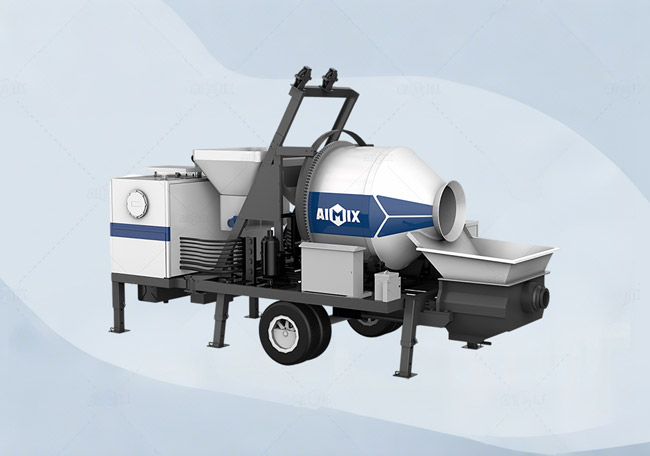
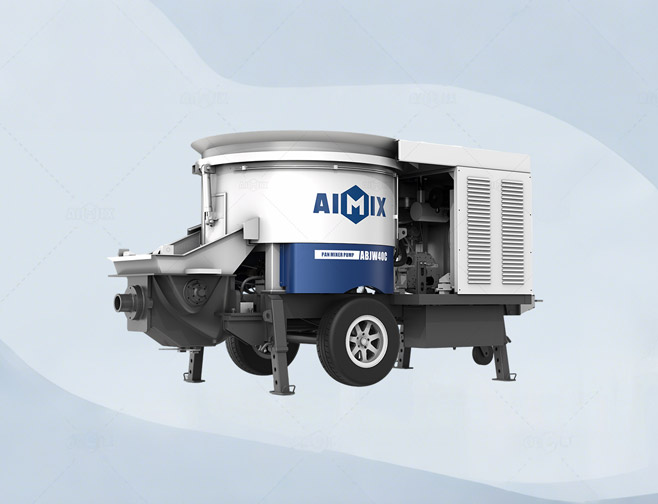
Simultaneously, there’s a parallel universe of growth happening in urban residential developments, commercial towers, and infrastructure upgrades across Riyadh, Jeddah, and Dammam. Here, small and medium-sized contractors need agility and all-in-one functionality. They’re driving demand for smaller, trailer-mounted or truck-mounted mixer pumps that offer a balance of power and maneuverability. This high-volume, competitive segment keeps pressure on manufacturers to offer value-packed models, but also allows for pricing tiers. You’ll see a wider spread here, from cost-effective entry points for new businesses to mid-range workhorses with better after-sales support packages.
The Supply and Regulation Squeeze
On the other side of the equation, what it costs to get these machines to a Saudi job site is changing. Global and local factors are converging to push the baseline cost of doing business upward.
Global Logistics and Input Cost Volatility
The mixer pump in a showroom in Riyadh is the end product of a global journey. Its price is vulnerable to international logistics snarls, shipping container rates, and, crucially, the cost of raw materials like steel and specialized hydraulics. When global steel prices fluctuate or semiconductor shortages affect control system manufacturing, those costs don’t just disappear. They get absorbed into the final unit price. Furthermore, as major manufacturers compete for skilled labor and components worldwide, their own production costs rise, creating a steady, upstream inflationary pressure that trickles down to every market, including Saudi Arabia.
Localization and Evolving Standards
Vision 2030’s localization agenda, particularly under the Saudi Arabian government’s ambitious Iktifa program, is a double-edged sword for pricing. In the long term, local assembly or manufacturing promises supply chain stability and potentially lower costs. In the short to medium term, however, establishing these facilities requires massive capital investment. This investment, along with the costs of technology transfer and compliance with local content rules, often gets factored into initial product pricing. Additionally, evolving national standards for emissions, safety, and equipment certification can require manufacturers to make specific modifications for the Saudi market, adding another layer of development cost that influences the sticker concrete pump price in Saudi Arabia.
The Evolving Value Proposition: Beyond the Sticker Price
This brings us to the most crucial trend of all: the changing definition of what you’re actually buying. The smartest players in the market are no longer just comparing two price tags. They’re evaluating total cost of ownership (TCO), and manufacturers are adapting their offerings accordingly.
After-Sales as a Pricing Pillar
In an environment where downtime can derail a project schedule, the value of reliable after-sales service is immense. A major trend is the bundling of comprehensive service packages, extended warranties, and guaranteed parts availability with the machine purchase. A supplier with a robust network of trained technicians and a well-stocked parts depot in Dammam or Jeddah can justifiably command a higher price than one with limited local support. This isn’t an add-on; for many buyers, it’s the core of the value proposition. The concrete pump price reflects not just the asset, but the assurance of its uptime.
Financing and the Monthly Cost Reality
Finally, with the scale of investment required, cash purchases are rare. The availability and terms of financing—through local banks, leasing companies, or manufacturer-backed programs—have a direct impact on the perceived affordability. A machine with a slightly higher headline price but offered with a favorable, low-rate financing plan from a reputable partner can have a lower net present value and feel more accessible than a cheaper machine with onerous payment terms. The market is increasingly sensitive to this monthly cash flow impact, making the financing package an integral, if hidden, component of the final “price.” So, when you look at a quote, you’re seeing a number shaped by global currents, local ambitions, and a shifting understanding of value. The trend isn’t towards simple price hikes; it’s towards more stratified, service-rich, and financially nuanced offerings that mirror the complexity and sophistication of Saudi Arabia’s own construction revolution.